
Hot Products


0102030405
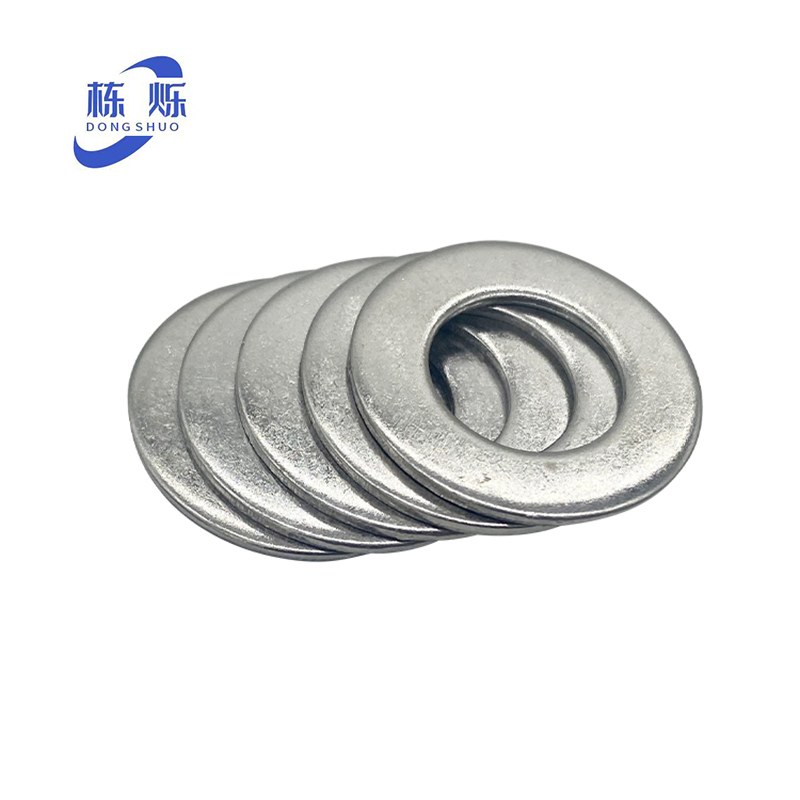
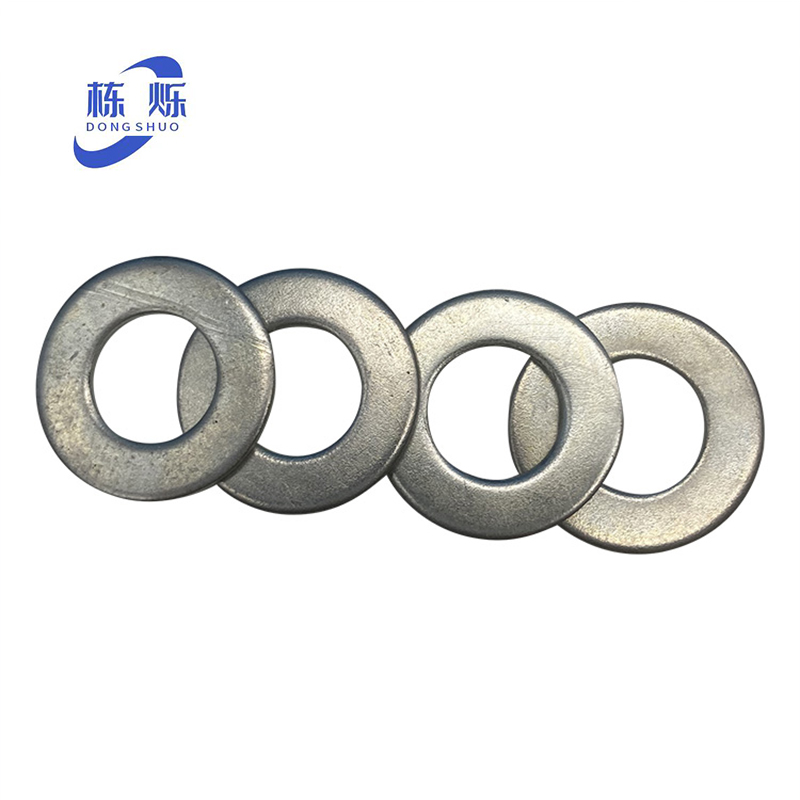
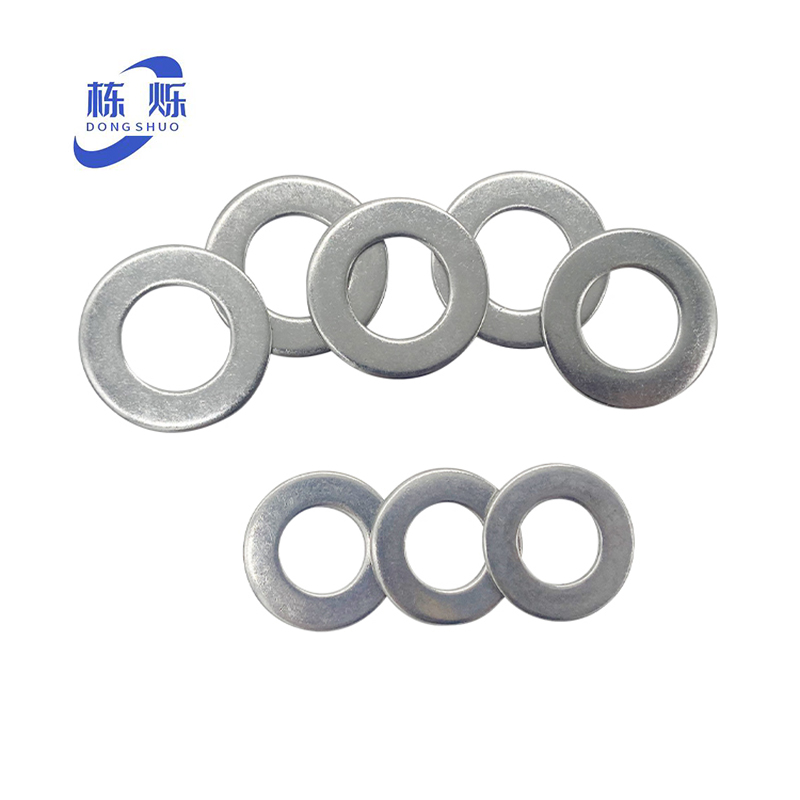
China DIN 125 Galvanized Plain Washer Suppliers - Factory Direct Quality for Machinery and Furniture Assembly
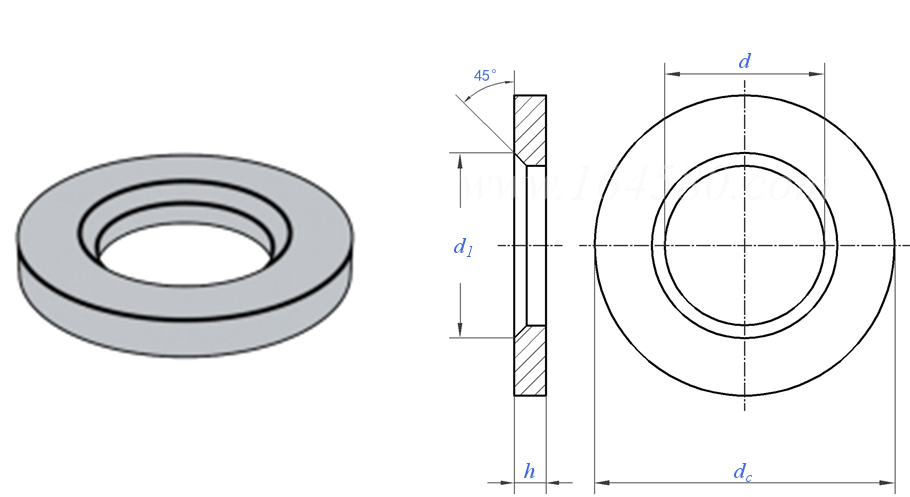
| Applicable thread | M12 | M16 | M20 | (M22) | M24 | (M27) | M30 | M36 | |
| d | Max | 13.43 | 17.43 | 21.52 | 23.52 | 25.52 | 28.52 | 31.62 | 37.62 |
| Min | 13 | 17 | 21 | 23 | 25 | 28 | 31 | 37 | |
| dc | Max | 25 | 33 | 40 | 42 | 47 | 52 | 56 | 66 |
| Min | 23.7 | 31.4 | 38.4 | 40.4 | 45.4 | 50.1 | 54.1 | 64.1 | |
| h | Public | 3 | 4 | 4 | 5 | 5 | 5 | 5 | 5 |
| Max | 3.8 | 4.8 | 4.8 | 5.8 | 5.8 | 5.8 | 5.8 | 5.8 | |
| Min | 2.5 | 3.5 | 3.5 | 4.5 | 4.5 | 4.5 | 4.5 | 4.5 | |
| d1 | Max | 16.04 | 20.04 | 25.24 | 27.44 | 29.44 | 33.4 | 36.4 | 43.4 |
| Min | 15.2 | 19.2 | 24.4 | 26.4 | 28.4 | 32.4 | 35.4 | 42.4 | |
| 1,000-piece weight (steel) ≈ kg | 7.06 | 16.92 | 24.7 | 33.15 | 43.34 | 51.45 | 58.66 | 80.97 | |
🔑 Key Purchasing Points for Galvanized Flat Washers
🔩1. Material: Select appropriate materials according to environmental requirements, such as carbon steel, stainless steel, etc.
📏2. Thickness: Choose an appropriate thickness based on the required load and other conditions.
📐3. Specifications: Choose the appropriate specifications according to the needs, and pay attention to the dimensions of inner diameter, outer diameter, and thickness to meet the actual requirements.
✅4. Quality: Products produced by manufacturers with excellent manufacturing processes and reliable quality should be selected to ensure the stability and durability of quality.
💡
The international and domestic standards for galvanized flat pads are explained, along with the key points for selection. Galvanized flat washers, as a common fastener accessory, are widely used in the electromechanical equipment industry. When purchasing, consideration should be given to the specific requirements of the usage environment to ensure their effectiveness and safety.
❓ Frequently Asked Questions
Q What is a DIN 125 galvanized plain washer used for?
DIN 125 galvanized plain washers are used to distribute the load of a threaded fastener, such as a bolt or nut, across a larger surface area. They help prevent damage to the material being fastened and reduce the risk of loosening due to vibration. Their galvanized coating provides corrosion resistance, making them suitable for outdoor and industrial applications.
Q What materials are available for galvanized flat washers?
Galvanized flat washers are commonly made from carbon steel with a zinc galvanized coating for corrosion resistance. They are also available in stainless steel for environments requiring higher corrosion resistance, such as marine or chemical applications. The choice of material should be based on the specific environmental and load requirements.
Q How do I select the correct size of galvanized flat washer?
To select the correct size, you need to match the washer's inner diameter (d) to the bolt or screw thread size (e.g., M12, M16, M20). Additionally, consider the outer diameter (dc) and thickness (h) to ensure adequate load distribution and fitment within your assembly. Refer to the dimensional table above for precise specifications.
Q What is the difference between the Max and Min values in the dimension table?
The Max (maximum) and Min (minimum) values in the dimension table represent the allowable manufacturing tolerances for each dimension. These tolerances ensure that washers produced within this range will still function correctly and meet the DIN 125 standard requirements, accounting for normal variations in the manufacturing process.
Q Are galvanized flat washers suitable for outdoor use?
Yes, galvanized flat washers are specifically designed for outdoor and corrosive environments. The zinc galvanizing process provides a protective coating that resists rust and corrosion caused by moisture, humidity, and exposure to the elements, making them a popular choice for construction, infrastructure, and outdoor electromechanical equipment.
Q What industries commonly use DIN 125 galvanized plain washers?
DIN 125 galvanized plain washers are widely used across multiple industries, including construction, electromechanical equipment manufacturing, automotive, infrastructure, and general engineering. Their standardized dimensions and reliable corrosion resistance make them a versatile fastener accessory suitable for a broad range of assembly and maintenance applications.